
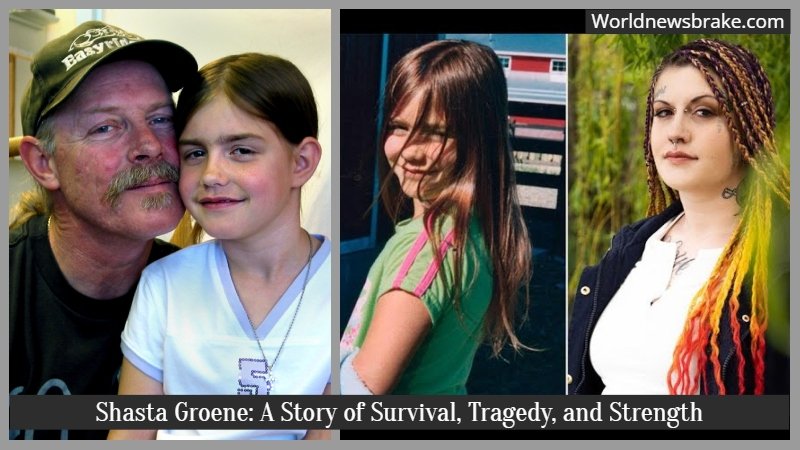
The case of Shasta Groene shocked the United States and drew global attention. Many people followed the story of Shasta Groene because it involved tragedy, survival, and the strength of a young child. Her experience raised serious concerns about safety, justice, and the long-term effects of trauma.
This article explores her story in a clear and respectful way. It also explains the impact her case had on society and why it still matters today.
Early Life and Family Background
Shasta Groene was born into a family living in Idaho. She had siblings and lived with her mother and stepfather. Like many children, she spent her early years surrounded by family and daily routines.
However, her life changed forever in 2005. That year became one of the most disturbing chapters in recent U.S. criminal history.
The Groene Family Tragedy
In May 2005, in Coeur d’Alene, Idaho, the Groene family became the target of a horrific crime. Joseph Edward Duncan III, a convicted sex offender with a long criminal record, broke into their home.
Inside the house, Duncan murdered:
-
Shasta’s mother, Brenda Groene
-
Her older brother, Slade Groene
-
Her mother’s fiancé, Mark McKenzie
The brutality of the crime shocked investigators. The attack was planned and violent, leaving behind a devastating scene and a missing child.
The Abduction
During the attack, Duncan kidnapped two children:
-
Shasta Groene (8 years old)
-
Her younger brother, Dylan Groene (9 years old)
He took them to a remote campsite in Montana. There, the children faced unimaginable abuse. Sadly, Dylan did not survive.
Shasta endured weeks of captivity. Despite her young age, she showed incredible strength during extreme physical and emotional trauma.
The National Search
The crime quickly became national news. Law enforcement agencies launched a massive search effort across multiple states.
Communities followed every update with fear and hope. Authorities worked around the clock to locate the missing children and capture the suspect.
Captivity and Rescue
He remained in captivity for several weeks. She lived in constant danger and fear.
A pivotal moment occurred in July 2005. Duncan brought Shasta Groene to a restaurant in Montana. Staff noticed unusual behavior and became suspicious.
They quickly alerted the police.
Officers arrived and arrested Duncan immediately. Shasta was rescued safely. Her rescue brought relief across the country, but it also revealed the trauma she had endured.
Legal Proceedings and Justice
After his arrest, Duncan faced multiple charges, including kidnapping and murder. The evidence against him was strong.
He later confessed to his crimes. Courts sentenced him to multiple life terms along with a federal death sentence.
The legal process aimed to deliver justice and ensure he could never harm anyone again.
Life After Trauma
Survival does not mean the end of suffering. Recovery takes time, care, and support.
For Shasta Groene, healing has been a long journey. In later years, she spoke publicly about her experience. Her honesty helped others understand trauma and survival.
Her story shows that recovery is possible, even after deep pain. It also highlights the importance of therapy, support systems, and community care.
Public Awareness and Impact
This case led to major discussions about child safety and the monitoring of repeat offenders.
Law enforcement agencies improved coordination after this incident. Communities also became more alert to suspicious behavior.
The story of Shasta Groene reminded people how important it is to report concerns quickly.
Psychological Effects of Trauma
Children who survive such events often face long-term emotional challenges. These can include anxiety, fear, and trust issues.
Experts stress the importance of early support. Therapy plays a key role in recovery. Family and community also help survivors rebuild their lives.
The experience of Shasta Groene helped raise awareness about mental health care for trauma survivors.
Media Attention and Ethics
The case received intense media coverage. While this helped spread awareness, it also raised ethical concerns.
Some people felt the media shared too many details. Others believed the coverage helped speed up the investigation.
This case demonstrates how to balance public interest with respect for victims.
Strength and Resilience
Despite everything she faced, Shasta showed remarkable strength. Survival itself is powerful.
Her story is not only about tragedy. It is also about courage and resilience. She remains an inspiration for many people facing difficult situations.
Her journey proves that even in the darkest times, hope can still exist.
Conclusion
The story of Shasta Groene remains one of the most powerful examples of survival in modern history. It reminds us of the importance of safety, justice, and compassion. By learning about Shasta Groene, we better understand both the dangers in the world and the strength people can show in overcoming them.
FAQs
1. Who is Shasta Groene?
Shasta is a survivor of a 2005 kidnapping case in Idaho that gained national attention.
2. What happened to Shasta Groene in 2005?
In 2005, Shasta Groene was kidnapped after a violent home invasion and later rescued in Montana.
3. How was Shasta Groene rescued?
Authorities rescued Shasta Groene after restaurant staff reported suspicious behavior by her captor.
4. What happened to the criminal in the Shasta Groene case?
The attacker in the Shasta Groene case received multiple life sentences and a federal death sentence.
5. Why is the Shasta Groene case important today?
The Shasta Groene case raised awareness about child safety, trauma recovery, and community vigilance.