For those pursuing a healthcare career, acquiring practical skills is a fundamental part of training. Whether you are looking to become a Certified Nursing Assistant (CNA) or expand your knowledge with life-saving techniques, gaining certifications in areas such as Basic Life Support (BLS) is crucial. The ability to respond effectively in emergencies not only saves lives but also increases your employability and confidence in patient care.
The Importance of BLS Certification in Healthcare
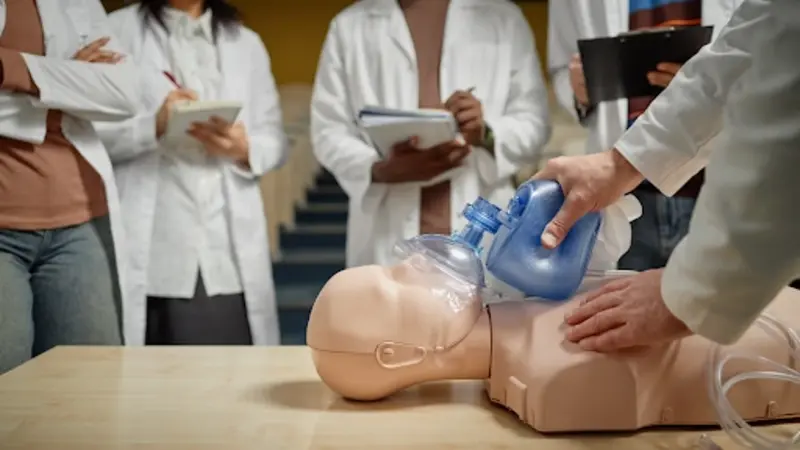
Healthcare professionals are often the first responders in medical emergencies. Knowing how to provide immediate care, such as performing CPR or using an AED, is an essential part of healthcare training. A BLS Class is designed to equip individuals with the skills needed to act quickly and confidently in emergencies.
- Immediate Response to Emergencies: BLS certification ensures that healthcare workers can recognize and respond to cardiac arrest, choking, and other life-threatening situations.
- Improved Patient Outcomes: With the right training, healthcare professionals can stabilize patients and provide critical care until more advanced medical assistance arrives.
- Widely Recognized Certification: BLS is a required certification for many healthcare roles, including CNAs, nurses, and other caregiving professionals. It’s often a prerequisite for employment in hospitals, nursing homes, and other healthcare settings.
The BLS Class focuses on CPR for different age groups, the use of AED devices, and techniques for managing choking emergencies. For those looking to enhance their skills and broaden their job opportunities, BLS certification is an excellent choice.
CNA Training: A Stepping Stone to a Rewarding Career
Becoming a CNA is an excellent way to enter the healthcare field, especially for those who enjoy helping others. CNA training involves learning how to assist patients with daily activities, monitor their health, and provide essential care. In addition to the practical aspects of caregiving, it is crucial to have certifications like BLS to be fully prepared for any emergency situation.
- Comprehensive Training: CNA training provides students with the necessary skills to care for patients in hospitals, nursing homes, and private settings.
- Hands-on Experience: Students are taught in both classroom and clinical settings, ensuring that they gain the practical experience needed to succeed on the job.
- Certification Preparation: CNA programs prepare students for certification exams and give them the confidence to enter the workforce as qualified professionals.
While CNA training teaches core caregiving skills, BLS training ensures that CNAs can act swiftly in emergencies, providing immediate care when necessary.
Nursing Education: Building a Strong Foundation for Lifelong Learning
For those seeking a more advanced role in healthcare, pursuing nursing education is the next logical step. Nurses are responsible for providing comprehensive care to patients and managing more complex medical tasks. As part of their education, it is essential for nurses to stay current with certifications such as BLS to maintain their ability to respond effectively in emergencies.
- Clinical and Theoretical Learning: Nursing programs combine classroom instruction with clinical training, preparing students for real world scenarios.
- Continuous Education: Nurses must continue their education throughout their careers to stay updated on the latest practices and technologies in the medical field.
- Patient Centered Care: Nursing education emphasizes the importance of providing compassionate, patient centered care while maintaining professional standards.
Gaining certifications in areas such as BLS alongside nursing education ensures that professionals are fully equipped to handle the demands of the healthcare industry. Whether you are a CNA looking to expand your skills or a nurse seeking to maintain certification, BLS training is a vital part of ensuring the best care for your patients.
Conclusion
Whether you are just starting your career in healthcare or looking to advance your skills, obtaining certifications like BLS can make a significant difference. For CNAs and nursing professionals, the combination of practical training and life-saving skills ensures you are well-prepared for any situation. By taking a BLS Class and pursuing CNA or nursing education, you are not only investing in your career but also ensuring that you are ready to provide the best care to those who need it most.