
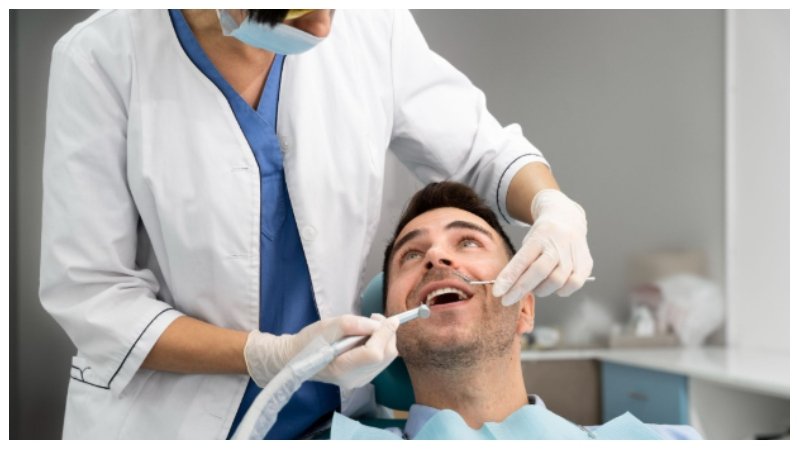
Discomfort at the back of the mouth often starts subtly. A mild ache, slight swelling, or pressure can gradually build into something that interferes with daily routines. This is commonly linked to third molars, also known as wisdom teeth. Addressing these issues through Wisdom Tooth Removal in Pasadena offers a practical solution for both immediate relief and long-term oral health.
Signs That Indicate a Problem
Limited space in the jaw often causes wisdom teeth to emerge improperly or remain trapped beneath the gums. This can lead to discomfort and other oral health concerns if not addressed.
Common signs that suggest the need for removal include:
- Persistent pain in the back of the mouth
- Swollen or bleeding gums
- Jaw stiffness or difficulty opening the mouth
- Bad breath or an unpleasant taste
- Pressure affecting nearby teeth
Early attention to these symptoms can help avoid more serious complications.
Impact on Alignment and Oral Health
One of the primary concerns linked to wisdom teeth is crowding. As these molars attempt to emerge, they can push against adjacent teeth and disrupt alignment. This can undo previous orthodontic work and create spacing issues.
Additionally, their position makes them difficult to clean properly. Food particles and bacteria can easily become trapped, increasing the likelihood of cavities and gum infections. Over time, this can affect not just the wisdom teeth but also the surrounding structures.
What the Procedure Involves
Patients often feel more at ease once they understand the process. A dental professional begins with a thorough examination, often using imaging to assess the position of the teeth.
The procedure is performed under local anesthesia or sedation, depending on the case. The goal is to ensure comfort while carefully removing the affected tooth or teeth.
Benefits of Early Removal
Taking timely action can prevent more serious issues. Some of the key advantages include:
- Lower risk of infection and inflammation
- Protection of nearby teeth from damage
- Relief from ongoing discomfort
- Easier maintenance of oral hygiene
- Reduced the likelihood of developing cysts
Early intervention often results in a smoother procedure and faster recovery.
Recovery and Aftercare
Healing after wisdom tooth removal is generally straightforward with proper care. Mild swelling and tenderness are expected in the first few days. Following aftercare instructions plays a crucial role in recovery.
Patients are usually advised to:
- Avoid hard or crunchy foods temporarily
- Keep the area clean without disturbing the site
- Use prescribed medications as directed
- Rest and avoid strenuous activity for a short period
With these steps, most individuals return to normal routines without difficulty.
Ignoring wisdom tooth concerns can lead to more complex dental problems over time. Addressing them early supports both comfort and long-term oral health. Proper care and timely treatment allow patients to maintain a healthier and more stable smile.