
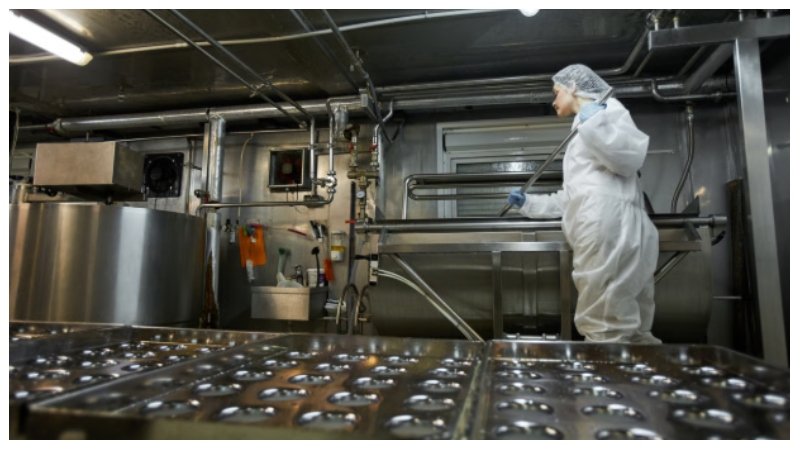
In the competitive world of food manufacturing, efficiency and product quality are non-negotiable. As demand for diverse food products continues to rise, the role of advanced food processing equipment has never been more critical. Whether in the frying, seasoning, or handling of raw ingredients, industrial food production machinery is at the heart of every streamlined production process. By adopting smart, well engineered systems, manufacturers can achieve faster processing times, reduce waste, and maintain consistent product quality, all while improving their bottom line.
Key Components of Modern Food Processing Equipment
Food processing systems have evolved significantly, with the latest machinery designed to enhance the efficiency and flexibility of food production. Manufacturers are now equipped with tools that can automate complex tasks, improve safety, and ensure greater consistency throughout production. Some of the standout features include:
- Precision and Consistency: Advanced systems ensure that food products meet quality standards by applying precise control over processes like seasoning, frying, and packaging.
- Reduced Downtime: Automated equipment reduces the need for manual intervention, allowing for continuous production and fewer interruptions.
- Energy Savings: Many modern food processing systems prioritize energy efficiency, thereby lowering operating costs and supporting sustainability initiatives.
- Flexible Operations: These systems allow manufacturers to adjust settings to suit different types of food products, making them ideal for handling a range of materials, from raw ingredients to finished goods.
The Importance of Conveying Systems in Food Manufacturing
A critical part of any food processing operation is the movement of materials along the production line. Whether it’s transporting raw ingredients, semi-processed goods, or finished products, conveying systems play a vital role in maintaining a smooth, uninterrupted flow of materials. By integrating efficient conveyor systems into their operations, manufacturers can significantly enhance productivity and reduce bottlenecks.
Evolving Industrial Food Production Machinery
Industrial food production machinery is a rapidly growing field, with advancements that continuously push the boundaries of what is possible in food manufacturing. Key technologies have improved food handling and processing capabilities, allowing manufacturers to boost efficiency while maintaining food safety standards. These innovations are not just about speed, but also about improving the overall quality of food products.
- Automated Frying Systems: Modern frying systems provide precise temperature control, ensuring consistent cooking results while reducing energy consumption.
- Advanced Seasoning Equipment: With automated seasoning machines, food manufacturers can ensure that their products are evenly coated with the perfect amount of seasoning, eliminating inconsistencies and reducing waste.
- Sophisticated Material Handling: The latest material handling machinery allows for the safe and efficient movement of large quantities of food products, improving workflow and minimizing contamination risks.
The Path to Efficient Food Processing
Food processing systems are not just about automating tasks; they are about creating a seamless, integrated production line that enhances every part of the manufacturing process. With smart food processing equipment, manufacturers can achieve a level of control and efficiency that wasn’t possible before. This results in higher quality products, lower operational expenses, and greater flexibility to meet consumer demand.
For manufacturers aiming to improve their operations, investing in high-quality food processing machinery is essential. Whether it’s optimizing the conveying system, improving the seasoning process, or automating frying, the right equipment can make a significant difference in overall production efficiency and product quality.
Conclusion
The food production industry continues to evolve, and the role of Food Processing Equipment in this transformation cannot be overstated. By incorporating advanced machinery into their operations, manufacturers can streamline processes, enhance product quality, and reduce costs. As food production demands grow, investing in smart, reliable equipment is key to staying ahead in the market. Conveying systems, in particular, are an integral part of these modern food processing systems, enabling manufacturers to improve productivity while maintaining food safety and quality.