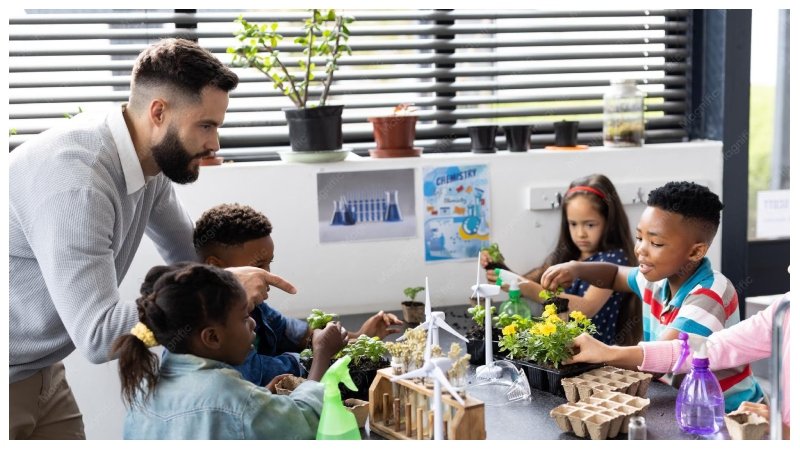
Childhood is an important stage of learning, discovery, and personal development. During these years, children develop habits and attitudes that influence how they interact with the world around them. Parents and caregivers play an essential role in helping children become confident, responsible, and independent individuals.
One effective way to encourage these qualities is through everyday activities. Simple responsibilities at home, creative projects, and caring for living things can teach valuable lessons while making learning enjoyable.
Learning Responsibility at an Early Age
Responsibility does not develop overnight. Children gradually learn it through repeated experiences and guidance.
Parents can begin with simple tasks such as organizing toys, putting away books, arranging school supplies, or helping prepare the dining table.
These activities teach children that everyone has a role in maintaining a comfortable household.
It is important to choose responsibilities according to a child’s age and abilities. Tasks should be manageable rather than overwhelming.
Positive encouragement can help children feel proud of completing their responsibilities.
Encouraging Compassion Through Animal Care
Animals provide excellent opportunities for children to learn kindness and empathy. Observing and caring for animals can help young people understand that living creatures have individual needs.
Parents may introduce children to suitable pets and explain the importance of gentle handling, proper feeding, cleanliness, and respect for an animal’s personal space.
Rabbits, for example, are fascinating animals that require careful handling and appropriate living conditions. Children can learn about their natural behaviors and nutritional needs under adult supervision.
Welcoming a new pet can also be an exciting experience. Families looking for inspiration can discover these Funny Rabbit Names to find playful naming ideas for a new furry companion.
Choosing a name together can become a memorable family activity.
Developing Confidence Through Small Achievements
Children often become more confident when they successfully complete tasks independently.
Activities such as arranging their belongings, helping with simple household chores, or completing creative projects provide opportunities to experience achievement.
Parents should recognize effort rather than focusing only on perfect results.
For example, if a child helps organize a room, appreciating their contribution encourages them to participate again.
Small achievements gradually help children develop a positive attitude toward challenges.
Making Learning Fun Through Creative Activities
Learning becomes more engaging when children can explore ideas through enjoyable activities.
Drawing, painting, storytelling, puzzles, gardening, and building simple projects encourage imagination and problem-solving.
Parents can also introduce educational games that teach basic mathematics, language, and general knowledge.
Creative activities provide opportunities for children to express their ideas without feeling pressured to produce perfect results.
Allowing children to experiment and ask questions can make the learning process more meaningful.
Building Healthy Daily Habits
Good habits established during childhood can support personal development in later years.
Parents can encourage routines such as:
- Keeping personal belongings organized.
- Washing hands before meals.
- Following a regular bedtime.
- Spending time reading.
- Helping with age-appropriate household tasks.
- Treating animals and other people kindly.
- Taking responsibility for personal belongings.
Consistency is important when introducing new habits. Children often learn more effectively through observation and repetition than through repeated instructions.
The Importance of Family Participation
Family participation makes learning more enjoyable and helps children feel supported.
Parents can organize simple activities in which everyone contributes. Cooking a meal together, planting flowers, organizing books, or preparing for a family celebration can create opportunities for cooperation.
These experiences also encourage communication between different generations.
Older siblings can help younger children with simple tasks, while parents can demonstrate practical skills and explain why certain responsibilities matter.
Teaching Respect for Nature and Living Things
Children benefit from learning about the environment and understanding how their actions affect other living creatures.
Gardening, observing birds, visiting nature parks, and learning about animals can encourage curiosity and appreciation for nature.
Parents can explain the importance of protecting wildlife, keeping surroundings clean, and avoiding harmful behavior toward animals.
These lessons help children develop a more thoughtful attitude toward the world.
Balancing Guidance and Independence
Children need guidance, but they also need opportunities to make age-appropriate decisions.
Allowing them to choose books, select creative projects, or decide how to organize their belongings can strengthen independence.
Mistakes should be treated as learning opportunities rather than reasons for unnecessary criticism.
When children receive encouragement and clear guidance, they become more comfortable exploring new responsibilities.