
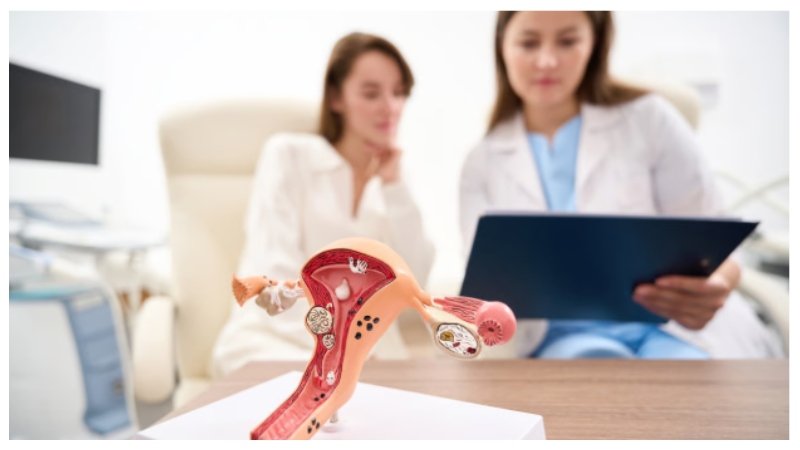
A tight pelvic floor is a condition that often goes unnoticed but can significantly affect a woman’s quality of life. The pelvic floor muscles support the bladder, uterus, and bowel. When these muscles become tense or overly contracted, it can lead to discomfort, pain, and other health concerns. Understanding this condition and seeking proper care can help improve overall well-being.
Signs and Symptoms of a Tight Pelvic Floor
A tight pelvic floor can manifest in various ways. While some women may not experience noticeable symptoms, others may face significant challenges. These symptoms can include:
- Chronic pelvic pain
- Difficulty with urination or bowel movements
- Pain during intercourse
- Lower back pain
- Feeling of pressure in the pelvic region
If these symptoms persist, it is essential to seek professional medical guidance for proper diagnosis and treatment options.
Potential Causes of a Tight Pelvic Floor
There are several factors that can contribute to a tight pelvic floor, ranging from physical to emotional. Some common causes include:
- Childbirth: The strain of pregnancy and delivery can sometimes result in pelvic floor dysfunction.
- Stress and Anxiety: Emotional tension can cause the pelvic muscles to tighten involuntarily.
- Postural Issues: Poor posture and sitting for long periods can lead to muscle stiffness, including in the pelvic area.
- Overexertion: High-impact physical activities or lifting heavy objects without proper technique can strain the pelvic muscles.
Treatment for a Tight Pelvic Floor
There are various treatments available to address Tight Pelvic Floor. For those experiencing this condition, seeking specialized care from healthcare providers with expertise in gynecology and pelvic health can provide significant relief. One such treatment option is hypertonic pelvic floor therapy, which focuses on relaxing and stretching the pelvic floor muscles to alleviate tension and discomfort.
In addition to professional therapies, some other methods to help manage tight pelvic floor muscles include:
- Pelvic Floor Exercises: A physical therapist specializing in pelvic health can guide patients through exercises designed to relax and strengthen the pelvic muscles.
- Biofeedback: This technique uses sensors to provide feedback on muscle activity, helping individuals learn how to control and relax their pelvic floor muscles.
- Heat Therapy: Applying heat to the pelvic area can help reduce muscle tightness and promote relaxation.
Importance of Seeking Professional Care
Women often overlook the symptoms of a tight pelvic floor, attributing them to normal discomfort or aging. However, these symptoms can have a lasting impact on health and daily activities. Timely and professional care from gynecologists can address underlying issues and provide relief from discomfort.
At Virginia Gynecology, a team of medical professionals offers personalized care tailored to each woman’s health needs. With the proper guidance and treatment options, women can regain their comfort and improve their overall quality of life.
A healthy pelvic floor is essential for a woman’s well-being, and knowing the signs of a tight pelvic floor can help in seeking the right care. Don’t let discomfort go unaddressed; reach out for expert assistance in maintaining pelvic health.